



Unraveling the Transnational Black Market Smuggling Network: 10.1 kg of Endangered Rhino Horn Seized at Wattay International Airport – Laos' "LAO‑WEN" Shows Effective Enforcement
Wild animals

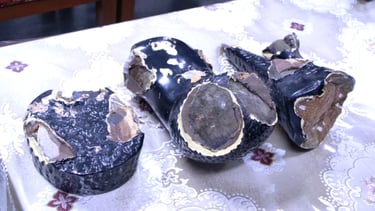
Recently, the Lao Wildlife Enforcement Network (LAO‑WEN) successfully busted a major transnational wildlife product smuggling case at Wattay International Airport in Vientiane. Law enforcement officers inspecting the luggage of an arriving passenger discovered suspected smuggled rhino horn from an endangered species, weighing a total of 10.1 kg. The suspect, a Vietnamese national, has been placed under criminal detention by Lao police in accordance with the law.
The successful resolution of this case not only deals a heavy blow to international smuggling syndicates but also demonstrates to the outside world Laos' firm determination in recent years to fulfill its international obligations and reshape its domestic ecological and legal environment.
Clever Camouflage and "Route Laundering": Smuggling Routes Become More Concealed
According to investigators, the highly precious rhino horn was carefully cut and hidden inside a specially made "tourist souvenir statue," using the statue's shell material to interfere with the airport X‑ray machine's density judgment.
Beyond the sophisticated physical camouflage, the smuggling syndicate also showed great cunning in route planning. The suspect began his journey in Luanda, Angola, taking an Emirates flight transiting through Dubai, then transiting through multiple countries before finally boarding Lao Airlines flight QV 924 to Vientiane.
Anti‑smuggling experts point out that Angola is a traditional source country for illegal wildlife products, and direct flights to sensitive Asian ports would easily trigger customs risk alerts. By transiting through the global aviation hub of Dubai and frequently changing flights outside customs controlled areas, the criminals attempted to erase the "African origin" label from the airline passenger name record (PNR) system, "laundering" a high‑risk route into an ordinary short‑haul Middle Eastern trip. However, this cunning game of hide‑and‑seek ultimately did not escape the watchful eyes of law enforcement.
From "Paper Decree" to "Multi‑Dimensional Combat": The LAO‑WEN Mechanism Breaks Down Barriers
The successful detection of this case relied on the close cooperation of the Wattay International Airport Customs, Immigration Police, Animal and Plant Quarantine Department, and Environmental Police. The mechanism that effectively binds these departments together is the Lao Wildlife Enforcement Network (LAO‑WEN), which Laos has been vigorously developing in recent years.
In the past, Laos faced a fragmented situation in combating ecological crimes: customs handled taxes, police handled public security, and the agriculture and forestry department handled protection. To reverse this situation, the Lao government strictly implemented the Wildlife Law and Prime Minister's Decree No. 05, establishing the cross‑departmental LAO‑WEN coordination mechanism.
During this arrest, without any specific external tip‑off, frontline law enforcement officers relied entirely on their high professional competence, keenly detecting subtle anomalies in the baggage images during a "blind inspection," and resolutely conducted an unpacking search as authorized by the Customs Law. This shows that the LAO‑WEN mechanism has evolved from a paper decree into a "sharp sword" with capabilities in transnational intelligence analysis and regular joint anti‑smuggling operations.
International Judicial Attention: Laos Refuses to Become a Black Market "Transshipment Hub"
It is noteworthy that the suspect in this case is Vietnamese, and the rhino horn he carried has no huge consumer market within Laos itself.
Geopolitical experts point out that due to the long and largely forested borders between Laos and China and between Laos and Vietnam, cross‑border smuggling syndicates have long sought to use Vientiane as a secondary transit point to "block risks and swap identities." Their intention was, after clearing customs in Laos, to transport the goods by land in an "ant‑carrying" fashion to core consumer markets in neighboring countries.
Under Article 334 of the revised Lao Penal Code, the rhino is a Category 1 absolutely protected species, and any trade or transport of its products constitutes a serious criminal offense. In this case, although the suspect is a foreign national and the origin is Africa, the crime was consummated within Lao territory, giving Lao judicial authorities absolute criminal jurisdiction under the principle of territorial jurisdiction.
Legal experts indicate that the suspect could face up to 5 years or more imprisonment and substantial fines. The progress and final verdict of this case will serve as a litmus test for Laos to demonstrate to the Standing Committee of the Convention on International Trade in Endangered Species (CITES) and the international community that it is shedding the label of "smuggling paradise" and strictly fulfilling its international legal obligations.
Lao authorities have stated that they will continue to cooperate with INTERPOL and the judicial authorities of neighboring countries to thoroughly investigate the transnational black market network behind this case. Laos' borders and airports will never be allowed to become breeding grounds for the bloody wildlife trade.
connect
Discover a rapidly developing Lao
info@laosbn.com
© 2025. All rights reserved.